November 4, 2026
In the world of landscape architecture and construction, retaining walls play a crucial role. They not only provide support to prevent soil erosion but also add an aesthetic element to properties. Understanding what makes a retaining wall durable is essential for builders and property owners alike. These structures must endure the challenges posed by weather, soil movement, and time. An effective retaining wall balances both form and function, delivering strength while enhancing the landscape's visual appeal. The synergy between engineering and design in retaining walls directly contributes to their transformative impact on outdoor spaces.
Choose Resilient Materials
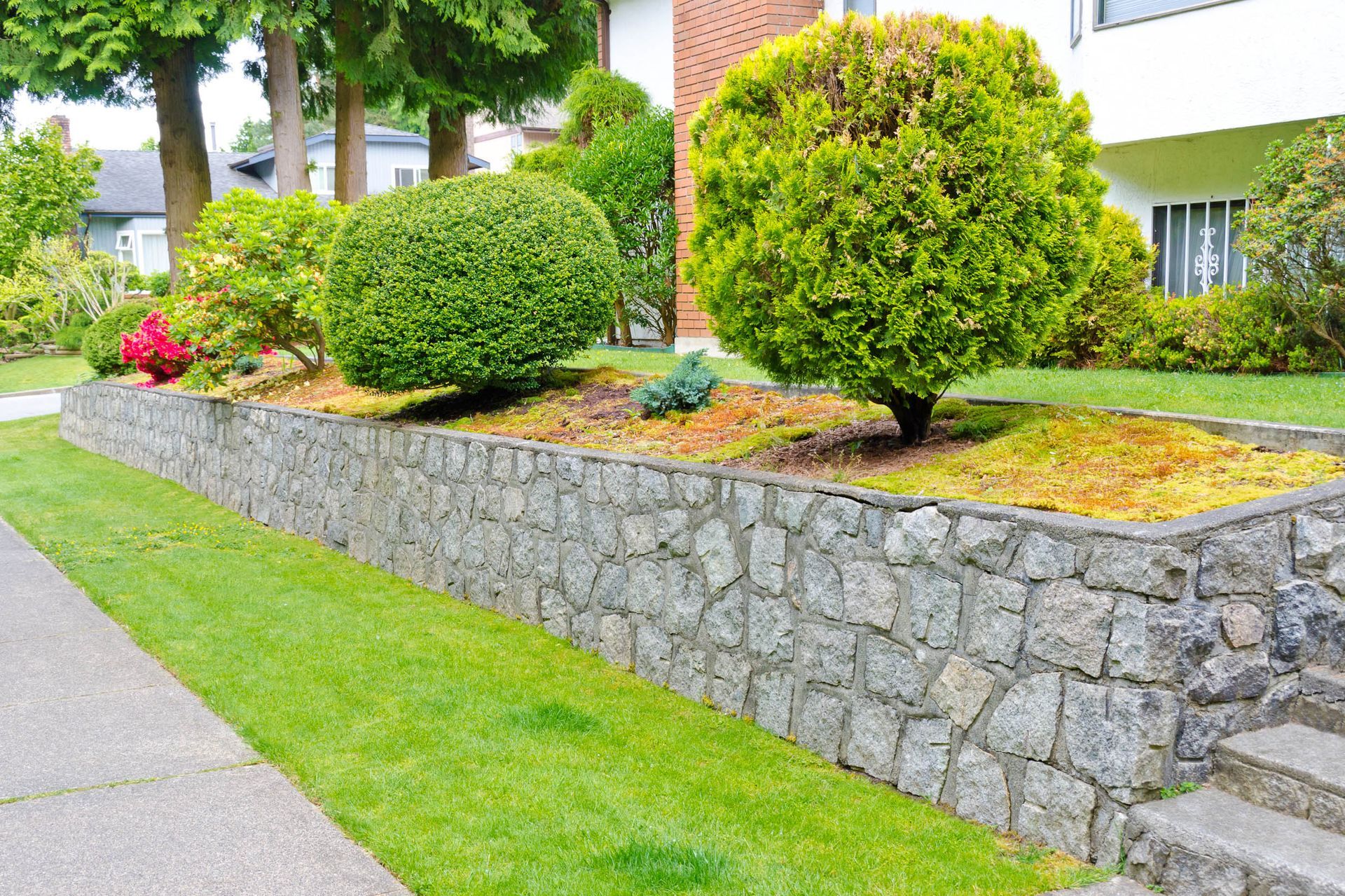
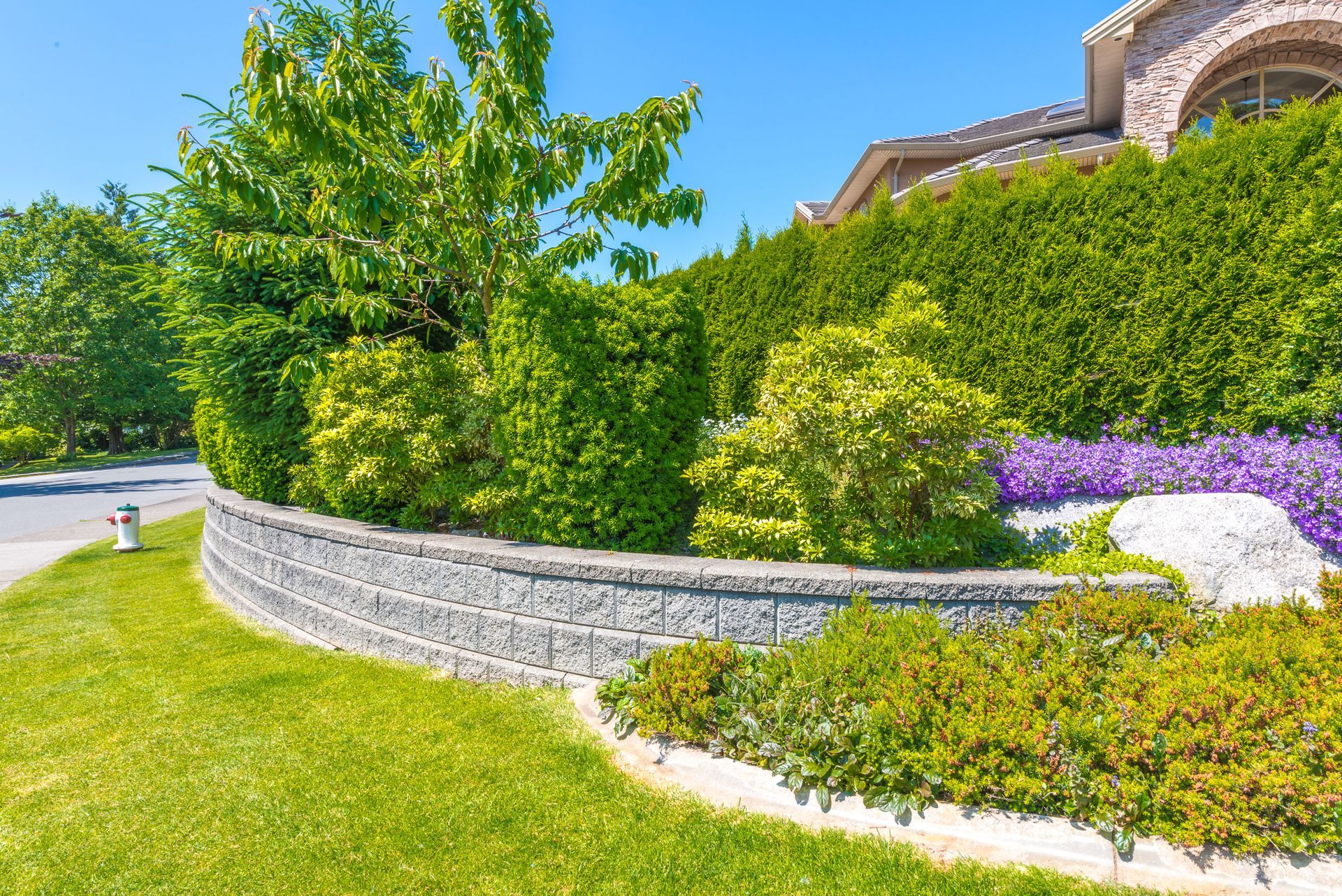
The materials chosen for constructing a retaining wall are fundamental to its longevity. Concrete, natural stone, and timber are among the most commonly used materials. Each of these has its own advantages and drawbacks. Concrete is prized for its durability and flexibility in design, allowing the retaining wall builder to mold it to fit various architectural styles. Natural stone provides a timeless appeal with impressive strength, making it a popular choice for those seeking both function and beauty. Timber, although aesthetically pleasing, requires chemical treatment to prevent decay and is generally less durable compared to stone or concrete. The choice of material also often reflects the local availability of resources and environmental considerations. Furthermore, sustainability has become a key concern, prompting builders to explore innovative materials like recycled concrete and eco-friendly composites.
Durability is key, and a retaining wall builder must carefully select materials that are suitable for the specific environmental conditions of the site. For instance, the use of pressure-treated wood might be more appropriate in areas with moderate climates, while concrete walls might be preferable in regions prone to heavy rainfall. According to HomeGuide, retaining walls can last anywhere from 10 to over 100 years depending on the material and level of maintenance. This highlights the importance of selecting the right material to increase the lifespan of the structure significantly. Maintenance also plays a critical role, as regular inspections and repairs can prevent minor issues from escalating into significant structural problems. Over time, advances in construction techniques and materials have continued to extend the potential lifespan of retaining walls. Continual innovation in building methods helps adapt to evolving environmental and structural demands, ensuring the consistent performance of these essential landscape features.
Incorporate Effective Drainage
Proper drainage is one of the most critical factors influencing the longevity of a retaining wall. Poor drainage can lead to water buildup behind the wall, exerting undue pressure on the structure and eventually causing it to fail. This hydraulic pressure, if not properly managed, can lead to stress cracks or, in severe cases, total collapse. Therefore, the inclusion of a well-designed drainage system is mandatory for every retaining wall project to ensure water moves freely away from the wall's foundation. Negligence in this aspect can undo even the strongest constructions, compromising safety and durability. Landscape architects often incorporate strategic landscaping to complement drainage systems, creating both functional and visually pleasing solutions. By integrating nature-based solutions, the overall appeal and environmental harmony of the space are further enhanced.
Effective drainage systems usually include components like aggregate backfill and weep holes. A retaining wall builder must ensure that these elements are carefully integrated during construction to prevent water from accumulating. Observing natural water flow patterns and calculating the gradient required for water movement is essential. With proper drainage, the wall can maintain its structural integrity over time. This commitment to detail secures a retaining wall that withstands the test of time and environmental changes. Additionally, innovative drainage technologies, such as modular drainage mats and synthetic materials, are steadily being adopted to enhance the effectiveness of traditional drainage solutions. By incorporating such innovations, builders enhance the wall's resilience against environmental pressures, safeguarding its stability for generations.
Design Thoughtfully
The fundamental design of a retaining wall directly impacts its ability to endure the natural forces acting on it over time. A crucial aspect of design involves understanding soil characteristics, as different soil types exert varying pressures on the wall. Retaining wall builders often engage geotechnical experts to analyze soil density, moisture content, and load-bearing capacity, enabling them to design walls that can compensate for these factors. Properly engineered retaining walls often feature a slight backwards lean, or batter, which adds more stability against soil pressure. Consideration of foundational stability is paramount, particularly in regions that experience seasonal ground movements. By using sophisticated design software, builders can simulate the anticipated stressors on the wall and plan accordingly. This approach allows for a more refined and personalized design, aligning functionality with the specific site requirements.
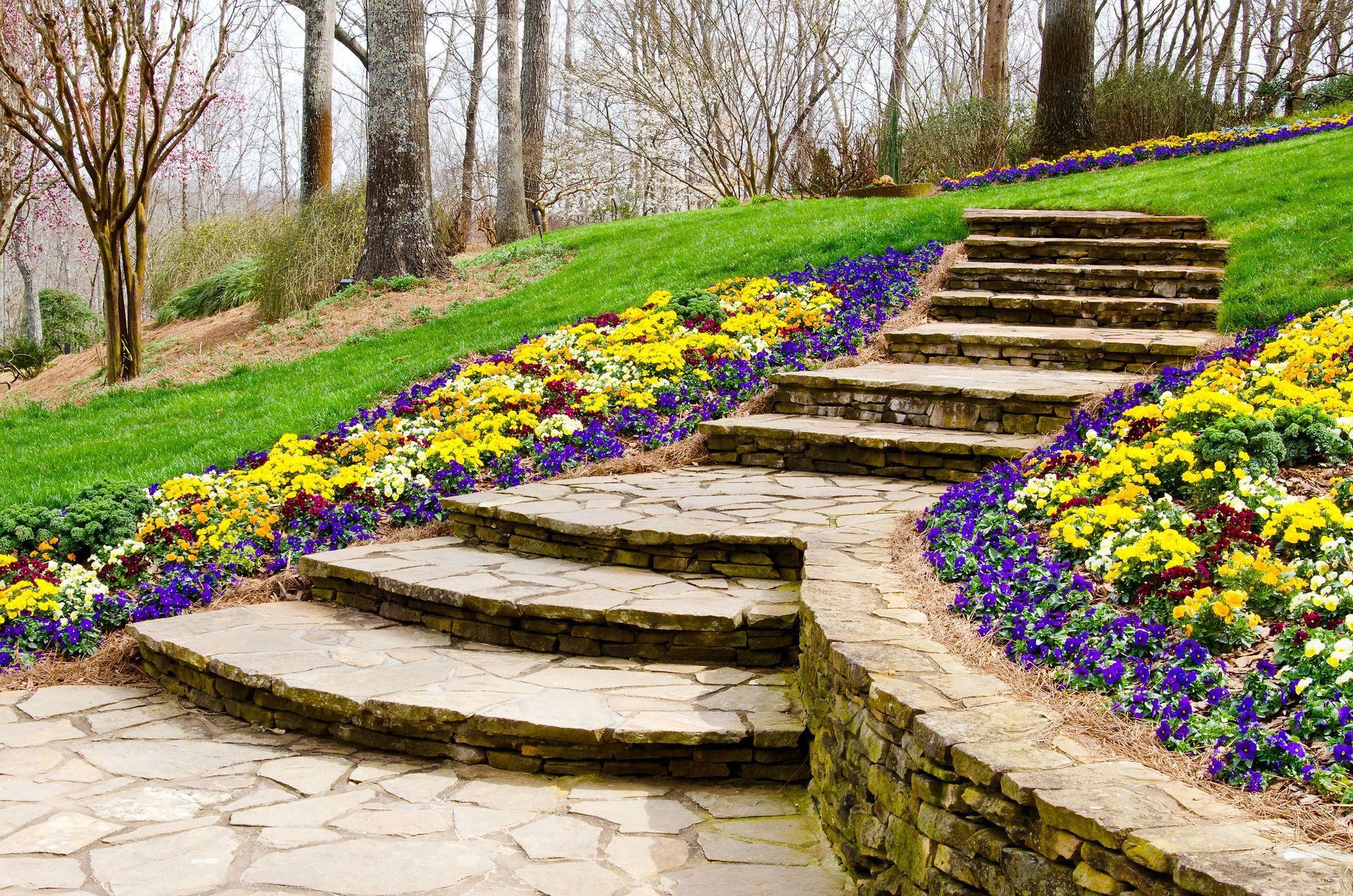
Additionally, stepped or terraced designs not only add visual interest but also help in distributing the load more evenly, reducing the pressure on any single point along the wall. By integrating these design practices with the lessons learned from soil analysis, a retaining wall builder can mitigate potential issues such as landslides or slumping. This proactive approach in the planning phase ensures that the retaining wall is built to last, minimizing maintenance requirements and extending its lifespan. Collaborative efforts with structural engineers can refine design blueprints, ensuring that the wall not only meets but exceeds safety standards. Innovative techniques such as using plant roots for natural reinforcement are gaining popularity for their eco-friendly benefits. The amalgamation of modern engineering with traditional practices fosters sustainable and durable construction solutions.
Choose Skilled Builders
The selection of a skilled retaining wall builder is pivotal to achieving a structure that stands the test of time. A proficient builder brings a wealth of experience and an understanding of the complex interplay between materials, design, and environmental factors. A builder with a proven track record will not only help in selecting the right materials but will also ensure that each element of construction aligns with the broader goals of longevity and aesthetic appeal. This expertise is particularly important in areas prone to extreme weather conditions, where additional precautions are necessary to fortify the wall against natural elements. Their role also extends to the management of subcontractors and suppliers, ensuring consistency in quality and adherence to timelines. The choice of builder isn't just about current needs but involves considering their ability to provide ongoing support for future maintenance or updates.
Moreover, a good retaining wall builder adheres to industry best practices and keeps up with the latest advancements in construction technology. Their commitment to quality control during construction reduces potential risks and sets the groundwork for reduced future maintenance needs. With their guidance, property owners can feel confident in the resilience and durability of their retaining wall, knowing that it is equipped to last decades if not a century, as suggested by HomeGuide. Part of their skill set involves risk assessment and mitigation, identifying potential challenges before they become issues.
A retaining wall built to last combines the right materials, effective drainage, wise design, and skilled craftsmanship. Employing a knowledgeable retaining wall builder is fundamental to ensuring that each element is perfectly executed. By focusing on these elements, a long-lasting and beautiful retaining wall can be achieved. Across changing climates and evolving engineering methods, these pillars remain constant in the pursuit of structural excellence. Investing in a well-designed retaining wall is more than an immediate solution; it's a legacy decision for property both aesthetically and functionally. Reach out to Kyle's Landscape Service to learn more about our services today.