August 4, 2026
Creating a beautiful outdoor environment requires striking a thoughtful balance between aesthetic appeal and everyday functionality. Homeowners often desire stunning visual elements, yet those features must coexist with environmental constraints, maintenance needs, and site conditions. The primary role of local landscape designers is to blend these decorative preferences with practical solutions, crafting outdoor living spaces that are both inviting and resilient. By evaluating geographical nuances, soil composition, and seasonal weather changes, professionals turn challenging yards into harmonious extensions of the home.
Analyzing Local Environmental Conditions
Climate serves as a primary guiding factor in outdoor planning, influencing plant health and the structural integrity of outdoor features. Experienced local landscape designers carefully evaluate local weather patterns, seasonal temperature shifts, and sun exposure before making recommendations. Warmer summer months demand hardy foliage that withstands heat stress, while cooler seasons require plants capable of enduring frost. Understanding prevailing wind patterns also helps specialists position trees, hedges, or shade structures strategically. These decisions shield sensitive garden areas, preserve soil moisture, and protect outdoor living installations from harsh environmental elements throughout the year.
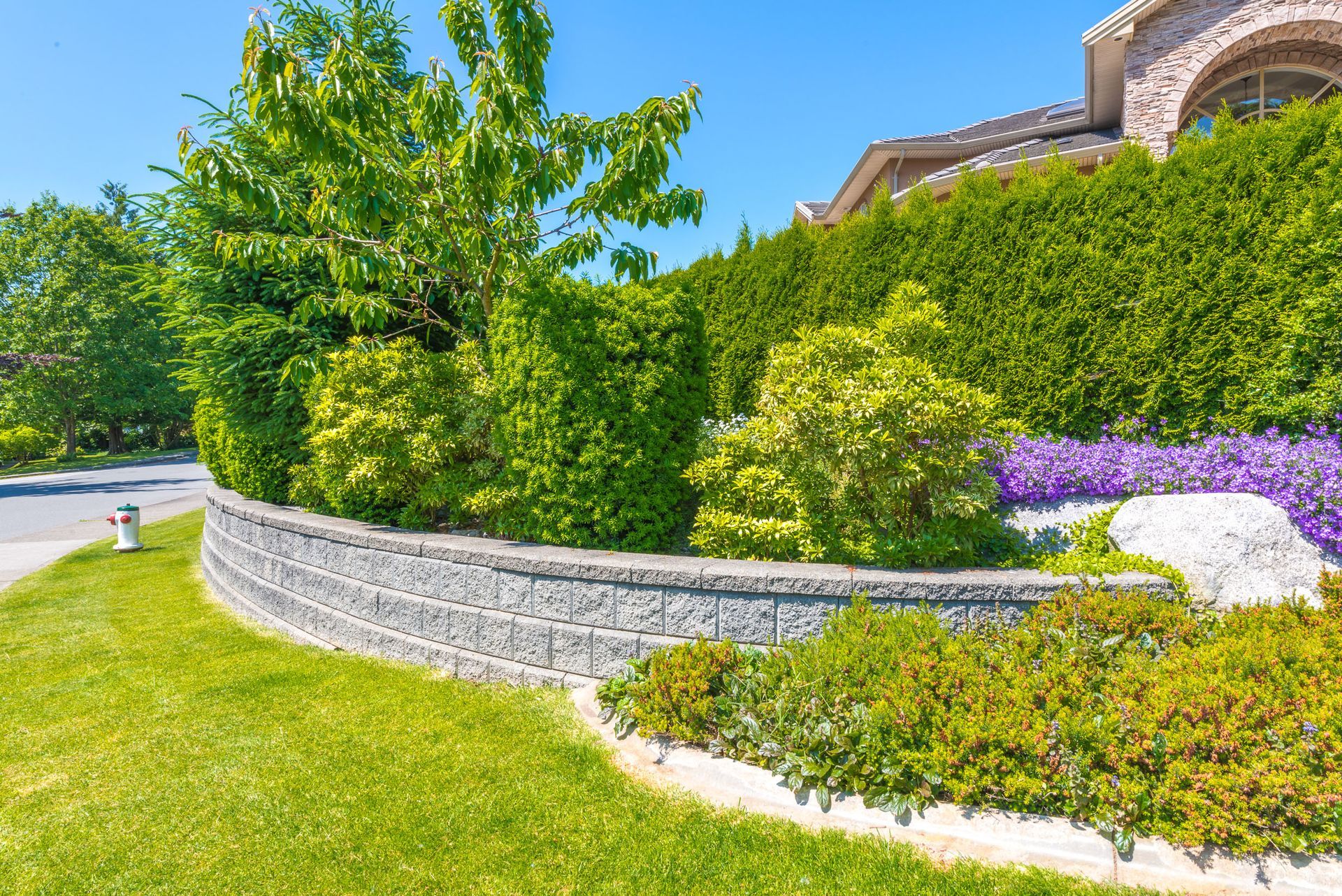
Adapting to specific terrain variations and soil conditions is equally essential for building a lasting landscape. Soil composition dictates drainage quality, nutrient availability, and plant root development, often requiring targeted soil conditioning or custom bed preparation. Sloped properties can pose erosion risks, but strategic grading, terracing, and retaining wall installations turn potential hazards into striking focal points. Level grounds may instead require gentle contouring to promote proper water distribution and add visual dimension. By adapting techniques to match the unique characteristics of each site, custom outdoor plans successfully blend artistic vision with ground-level practicality.
Managing Water Resources and Soil Health
Sustainable water management forms the backbone of any responsible landscape design strategy. Implementing efficient irrigation layouts, such as targeted drip systems, delivers moisture straight to root zones while minimizing runoff and evaporation. Rain gardens, swales, and permeable paver walkways capture excess stormwater, preventing erosion and naturally filtering runoff back into the ground. These features allow properties to stay green and healthy without wasting vital water supplies. Integrating proper lawn drainage solutions protects structural foundations and preserves lawn health during intense rainfall events.
Maintaining fertile, healthy soil ensures that trees, shrubs, and turf thrive over the long term. Organic mulching acts as a protective barrier, reducing soil evaporation, suppressing weed growth, and insulating root systems against extreme temperature swings. Lawn aeration and balanced fertilization routines restore vital nutrients, keeping lawn grass vibrant and resistant to common diseases. Observing how local landscape designers approach site management reveals an emphasis on environmental stewardship. According to market research from IBISWorld, total revenues across the American landscape design market surpass $9.7 billion, illustrating how significantly homeowners value professional care for their living environment.
Selecting Native Plants and Supporting Wildlife
Incorporating native flora is one of the most effective strategies for developing sustainable outdoor spaces. Skilled local landscape designers prioritize plant selection based on regional ecosystem compatibility, choosing trees, shrubs, and perennials that naturally thrive in local soil and weather conditions. Native plant species require less chemical intervention, lower water volumes, and minimal ongoing care compared to exotic alternatives. Thoughtfully placing flower beds, ornamental grasses, and shade trees creates a balanced ecosystem that thrives naturally while maintaining a clean, structured appearance.
Beyond ease of care, native vegetation plays a critical role in supporting songbirds, pollinators, and beneficial insects. Layering various plant heights—from ground covers and flowering perennials to dense shrubs and canopy trees—recreates natural habitat structures. Including nectar-rich blooms, berry-bearing bushes, and shelter-providing shrubs encourages wildlife activity and enhances property vitality. Balancing these ecological benefits with clean architectural lines ensures that wildlife-friendly gardens remain elegant and organized. Consequently, residential yards become vibrant sanctuaries that celebrate regional biodiversity without sacrificing curb appeal.
Integrating Aesthetic Principles and Color Schemes
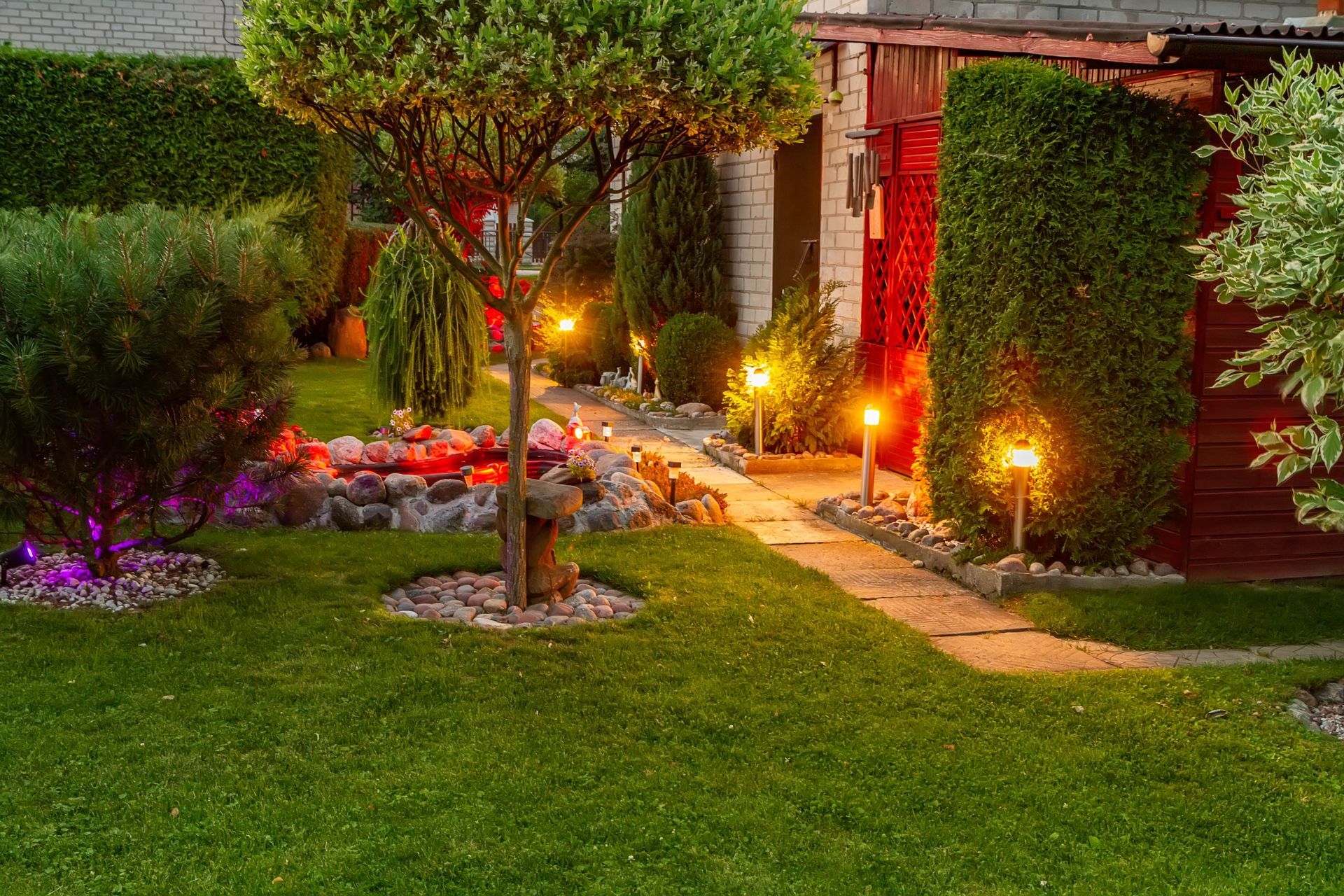
Visual appeal relies heavily on color harmony, texture variations, and intentional focal points. Color schemes should complement the architectural style of the home while changing gracefully across different seasons. Combining early-blooming perennials with vibrant autumn foliage guarantees year-round visual warmth. Dynamic lighting setups further highlight key focal elements, such as majestic specimen trees or architectural stonework, transforming the yard's ambience after dark. Careful planning ensures that seasonal blooms, foliage textures, and hardscape colors unite to present a cohesive aesthetic.
Texture plays an equally powerful role in establishing depth, contrast, and visual rhythm across garden beds. Coarse foliage, rough stone accents, and soft ornamental grasses invite tactile engagement and break up uniform green spaces. Creative local landscape designers combine colors and textures to direct visual flow toward outdoor firepits, seating areas, or main entrance paths. Mixing natural stone pavers, wooden structures, and soft decorative plantings creates a timeless look that feels grounded. This thoughtful combination of materials ensures the landscape offers rich sensory experiences throughout every season.
Crafting Functional Layouts and Hardscapes
A successful landscape design goes beyond visual appeal by defining clear functional zones for outdoor living. Professional local landscape designers map out spaces specifically reserved for cooking, entertaining, relaxation, and active play. Installing paver patios, outdoor kitchens, and custom firepits expands usable square footage, effectively turning backyards into open-air living rooms. Smooth transitions between turf areas, walkways, and seating spaces ensure easy movement for family and guests. Thoughtful spatial planning eliminates awkward clutter and makes daily outdoor activities effortless.
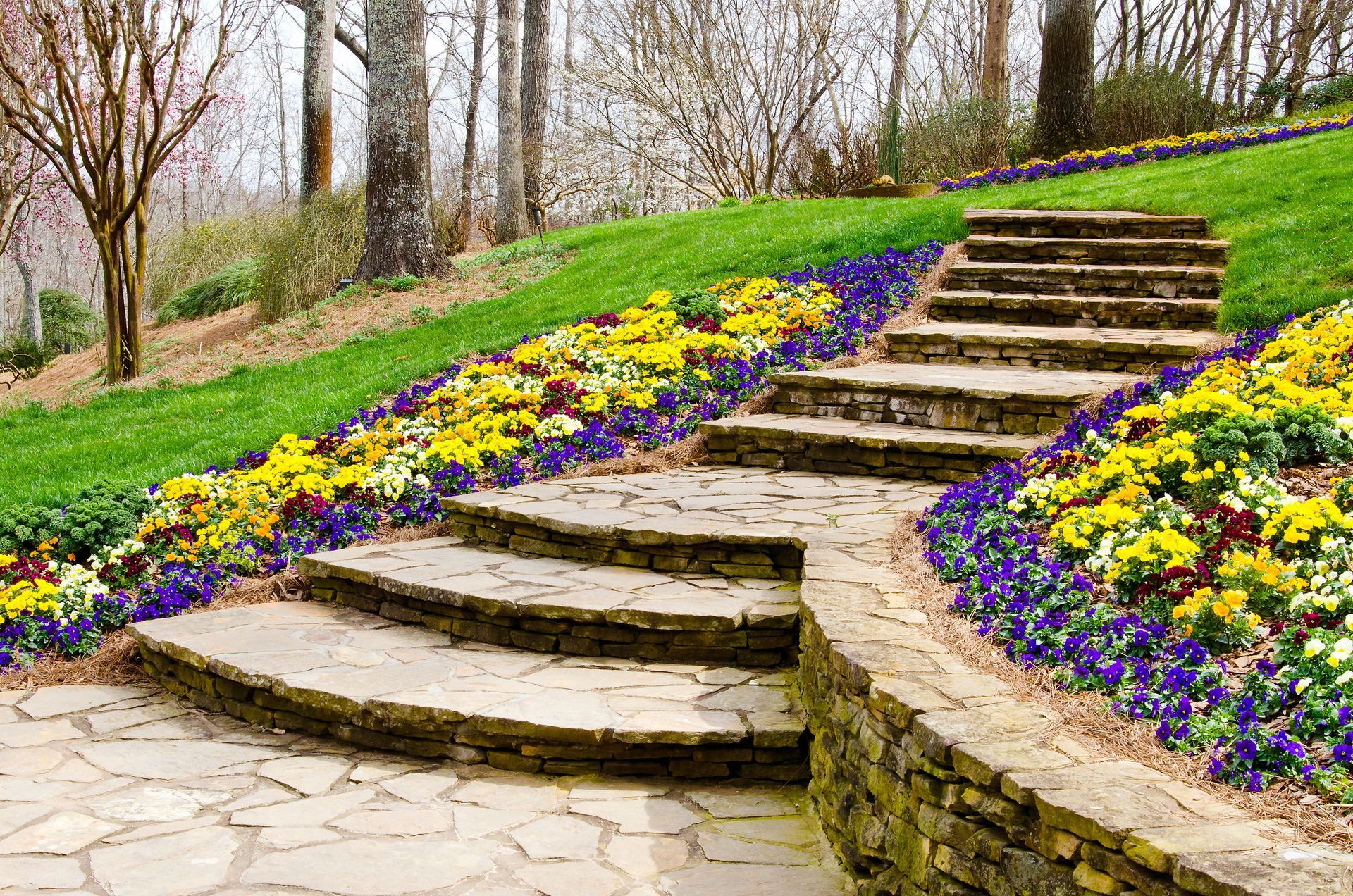
Hardscape elements provide necessary structure, support, and definition across diverse landscape footprints. Retaining walls resolve severe sloped issues while doubling as built-in seating around patio borders. Permeable pathways lead visitors safely through distinct garden zones, connecting home entryways to outdoor features. Combining durable stone materials with lush softscaping prevents outdoor living spaces from feeling cold or overly industrial. By blending solid masonry structures with surrounding greenery, functional outdoor additions boost property utility while elevating total curb appeal.
Ensuring Long-Term Durability and Safety
Long-term landscape success depends on choosing materials and plants capable of withstanding heavy daily use and changing weather conditions. High-grade pavers, weather-resistant stone, and treated timbers withstand constant foot traffic and harsh freeze-thaw cycles without cracking. Low-maintenance plantings decrease the need for constant trimming and chemical treatments, saving homeowners time and effort. Routine services like tree pruning, lawn mowing, and shrub maintenance preserve structural integrity and prevent natural overgrowth. Investing in durable construction methods ensures that outdoor spaces remain safe, functional, and visually appealing for decades.
Safety and accessibility remain fundamental considerations for any well-crafted residential landscape. Wide, flat stone walkways, gradual step transitions, and non-slip patio surfaces accommodate guests of all ages and mobility levels. Strategic placement of landscape lighting along pathways, steps, and driveways prevents tripping hazards and improves overall security during night hours. Dedicated landscaping professionals focus on quality materials and clear visibility to eliminate potential hazards before installation begins. Prioritizing these protective measures guarantees that outdoor living environments remain welcoming, accessible, and secure for everyone.
Achieving a perfect harmony between visual elegance and practical usability transforms ordinary yards into extraordinary outdoor retreats. By addressing soil conditions, managing water resources, choosing resilient native plants, and constructing durable hardscapes, thoughtful landscape planning delivers long-lasting beauty and effortless functionality. Relying on local landscape designers ensures your property looks immaculate through every season while meeting all your lifestyle needs. If you are ready to enhance your home's outdoor living space with expert care and craftsmanship, contact Kyle's Landscape Service today to bring your dream landscape to life.