September 8, 2026
Outdoor spaces can serve many purposes, from relaxing and entertaining to creating more usable areas around a property. Sloped or uneven land can make those spaces harder to organize and maintain, but the right landscape features can help create better structure. A retaining wall can separate different elevations, manage soil movement, and add definition to an outdoor area. This article explains how retaining walls can improve outdoor spaces by supporting the land, creating usable areas, managing drainage, and adding visual structure.
Improving Ground Stability
One of the main purposes of a retaining wall is helping hold soil in place. Properties with slopes can experience soil movement caused by gravity, rain, and changes in ground conditions. Over time, this movement can affect the shape and usability of an outdoor area. A properly planned wall creates a barrier between different levels of soil. This can help reduce erosion and limit the movement of soil down a slope. A retaining wall builder can evaluate the slope, soil conditions, wall placement, and other site factors when planning a structure for the space. Ground stability can be especially important around areas where people regularly walk, gather, or use outdoor features. Keeping soil in its intended location can make the overall landscape easier to organize. Seeking professional help can also identify conditions that may affect how a wall should be designed.
Creating More Usable Space
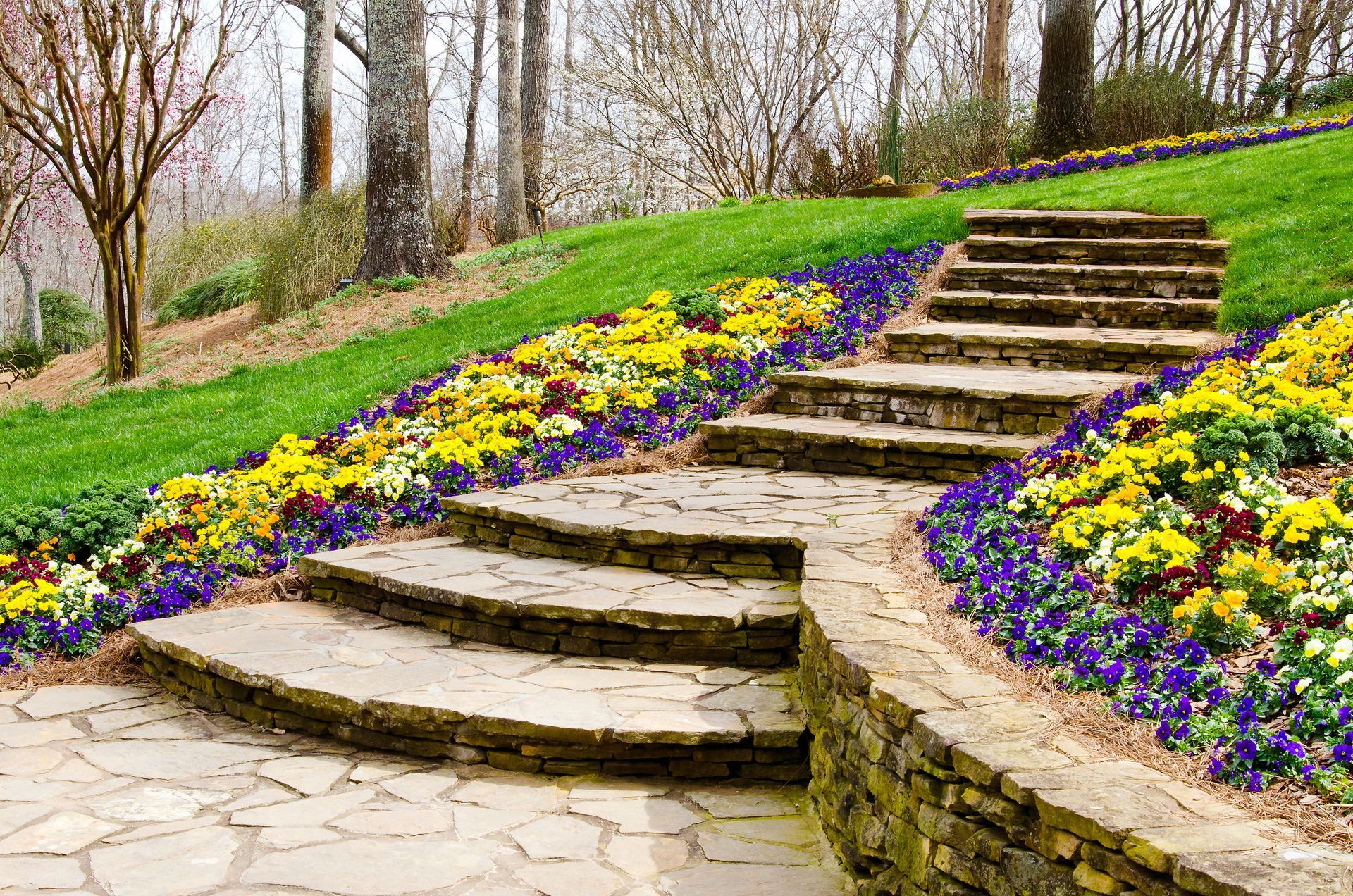
Sloped properties often have areas that are difficult to use. A steep section of land may not provide enough level ground for seating, planting, recreation, or other outdoor activities. Retaining walls can help divide a slope into more manageable levels. Creating multiple levels can make better use of available property space. Instead of having one continuous slope, the landscape can have defined areas with different purposes. One section might provide space for plants, while another could create a flatter area for outdoor seating. A retaining wall builder can help determine how a wall can fit into the existing layout while supporting the desired use of the property. The goal is not simply to create a wall, but to make the surrounding space more functional and organized.
Managing Soil Erosion
Rainwater can have a strong effect on exposed soil, especially on sloped properties. Water moving downhill can carry soil with it, gradually changing the shape of the landscape. Heavy rainfall can make this problem more noticeable. Retaining walls can help break up long slopes and reduce the amount of exposed soil moving from one elevation to another. When combined with appropriate grading and drainage planning, walls can become part of a broader approach to managing water and soil. Erosion control can help protect the appearance and function of an outdoor space over time. Seeking professional help is useful when erosion is already visible or when a property has significant changes in elevation. A retaining wall builder can consider how the wall should work with the surrounding landscape.
Defining Outdoor Areas
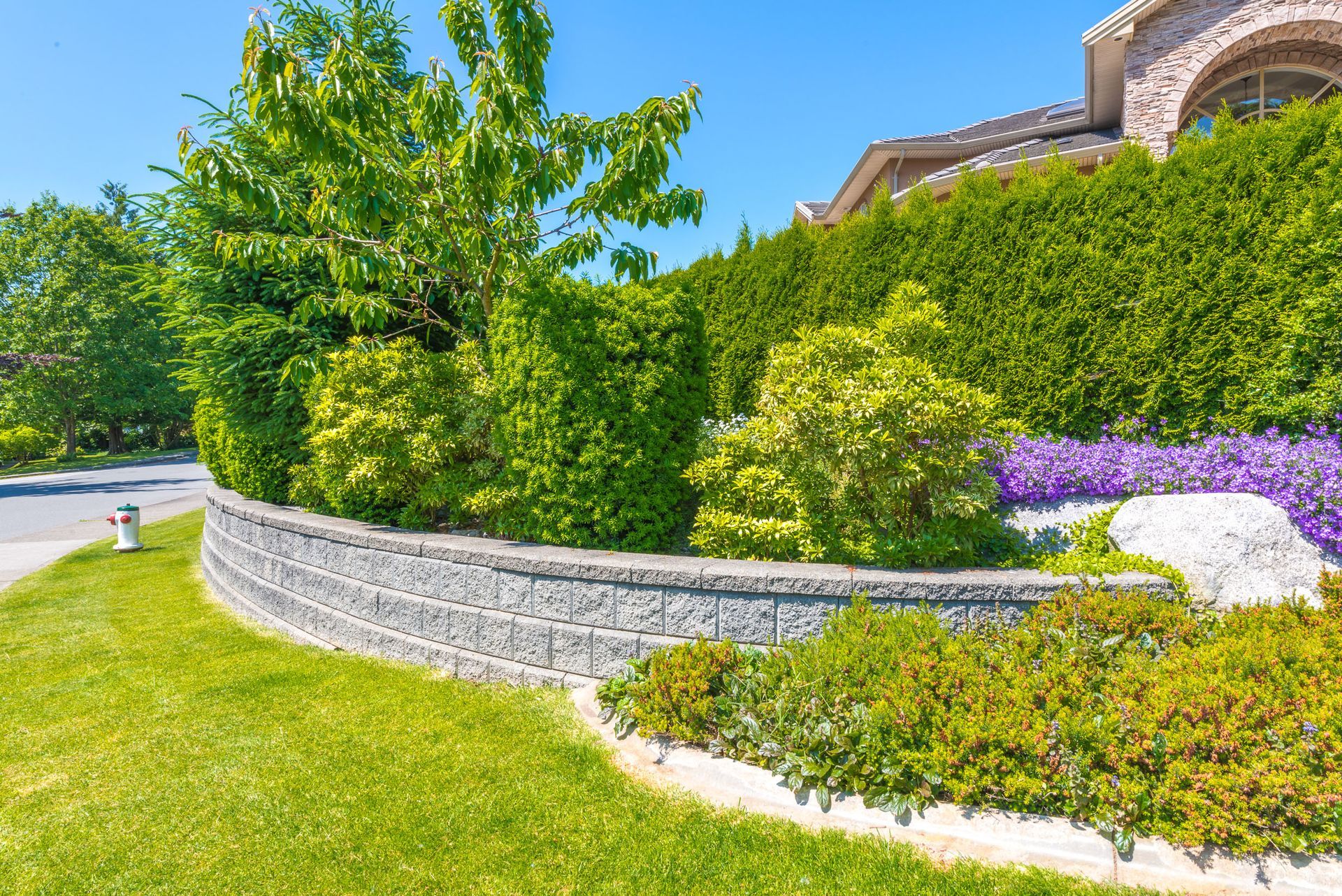
Retaining walls can also provide clear separation between different parts of a yard or landscape. A wall can mark the edge of a garden, separate a walkway from a planting area, or define the boundary between two elevations. This type of structure can make an outdoor space feel more organized. Defined edges can give different areas a clear purpose without requiring large visual barriers. The result can be a landscape that feels easier to navigate and maintain. The wall's location, height, shape, and relationship to nearby features can all affect the final appearance. A retaining wall builder can help plan the structure around the existing layout so it supports both practical and visual goals.
Supporting Landscape Design
Retaining walls can become an important part of an overall landscape design. Their structure can add shape to spaces that might otherwise look uneven or disconnected. Walls can also create a transition between different parts of a property. For example, a wall may separate a higher planting area from a lower lawn or create a defined edge along a sloped walkway. These changes can make the landscape feel more intentional while providing a practical purpose. A well-planned retaining wall does not have to dominate an outdoor area. Its size and placement can be selected to complement the surrounding landscape. A retaining wall builder can help consider how the structure will relate to existing plants, pathways, grades, and other features.
Improving Drainage Control
Water management is another important consideration when working with sloped land. Rainwater naturally moves toward lower elevations, and poor drainage can contribute to erosion, soil movement, or other landscape concerns. Retaining walls can be designed as part of a drainage plan that directs water toward suitable areas. Proper drainage is important because water pressure can place stress on a wall and affect the surrounding soil. This is one reason site conditions should be considered before a wall is planned. A retaining wall builder can assess how water moves through the property and how the wall should interact with the existing grade. Seeking professional help can be especially important when a property has recurring drainage concerns.
Adding Visual Structure
Beyond their practical role, retaining walls can add definition and character to outdoor spaces. A landscape with different elevations can sometimes appear disconnected when there are no clear transitions between levels. A wall can create a strong visual boundary between those areas. The structure can also provide a sense of order around gardens, lawns, walkways, and other landscape features. When the wall fits naturally into the surrounding layout, it can become part of the overall design rather than looking like a separate feature. Visual structure can be particularly useful for larger outdoor spaces. Breaking a property into sections can make the landscape easier to understand and create a more balanced appearance. A retaining wall builder can help determine appropriate placement based on the property's existing features.
Increasing Long-Term Property Value
Well-planned improvements can contribute to how a property looks, functions, and is perceived over time. A retaining wall may add value when it improves usable space, controls erosion, supports better drainage, or creates a more appealing landscape. According to HomeGuide, well-designed retaining walls built with quality materials can add value equal to 100% to 200% of their cost. This highlights why planning and construction quality matter when adding a retaining wall. A wall that provides useful support while complementing the landscape can offer both functional and visual benefits. Property value is influenced by many factors, so a retaining wall should not be viewed as a guaranteed financial return. Its value can depend on the property's location, condition, landscape design, and how well the wall addresses actual site needs.
Protecting Surrounding Landscape Features
Changes in soil movement can affect more than the slope itself. Unstable soil may gradually impact nearby planting areas, paths, lawn sections, or other landscape features. A retaining wall can help create a clearer boundary between different elevations and protect the layout of these areas. This can make it easier to maintain a consistent landscape design. When soil remains within its intended area, nearby features may be less likely to experience changes caused by gradual slope movement. The wall should be planned with the surrounding landscape in mind. A retaining wall builder can consider nearby structures, existing grades, drainage patterns, and intended uses before construction begins. Seeking professional help can help identify potential concerns before they affect the finished outdoor space.
Retaining walls can improve outdoor spaces in several ways. They can help stabilize slopes, reduce erosion, create more usable areas, support drainage planning, define landscape sections, and add visual structure. Their benefits are not limited to appearance because a well-planned wall can also address practical challenges caused by uneven or sloped land. Every property has different grades, soil conditions, drainage patterns, and landscape goals. For that reason, seeking professional help is an important step when considering a retaining wall. A careful evaluation can help determine how the structure should fit into the space and how it can support the surrounding landscape. For property owners considering a retaining wall, contact Kyle's Landscape Service to work with a qualified retaining wall builder who can help create an outdoor space that is more functional, organized, and visually appealing.