July 7, 2026
In an era where environmental sustainability and landscape aesthetics are of increasing importance, investing in shrub health care services presents a compelling opportunity. Whether one owns a large estate, a modest suburban home, or a commercial property, the role shrubs play in enhancing the landscape is invaluable. Increasingly, people recognize the balanced benefits of maintaining shrub health, not just for aesthetic appeal but for environmental and economic reasons as well. This article explores the myriad reasons why such services are becoming essential for property owners, environmentalists, and investors alike. Delving into environmental impacts, economic incentives, technological advancements, and more, this piece aims to underline the multifaceted advantages of shrubs in our living spaces.
1. Economic Incentives
1.1. Increased Property Value
Investing in shrub health care services can markedly increase property values. Properties with well-maintained landscapes are more attractive to potential buyers, making them quicker to sell and at higher prices. This improvement in curb appeal generates a significant return on investment for property owners. According to Better Homes and Gardens, basic landscaping can produce an impressive ROI of up to 200%. As such, the financial benefits of well-cared-for shrubs extend beyond mere aesthetics.
1.2. Energy Efficiency
The strategic placement and maintenance of shrubs contribute to enhanced energy efficiency for buildings. By providing natural shade and acting as windbreaks, shrubs reduce the need for air conditioning and heating. This reduction in energy usage translates to lower utility bills, thus compensating for the initial investment in shrub health services. Over time, the economic benefits accrue, making this a practical strategy for sustainable living. Consequently, shrub health care proves to be an economically savvy decision.
1.3. Cost-Effective Maintenance
Proactive investment in shrub health care services can be more cost-effective than reactive maintenance tactics. Addressing issues such as pest infestations or diseases early can prevent costly interventions later on. Routine care ensures shrubs are resilient and robust, minimizing potential damage and degradation. Therefore, property owners save money in the long term by regularly investing in shrub health. This reflects a fundamental principle of preventive maintenance as a wise economic choice.
2. Aesthetic Appeal
2.1. Improved Curb Appeal
The visual impact of well-maintained shrubs on properties cannot be overstated. They enhance the attractiveness of landscapes, capturing the attention of visitors and potential buyers. This improvement in curb appeal plays a significant role in residential and commercial property marketing. By presenting a polished, inviting appearance, properties stand out in competitive markets. Ultimately, shrubs contribute substantially to a property's overall first impression and aesthetic value.
2.2. Seasonal Beauty
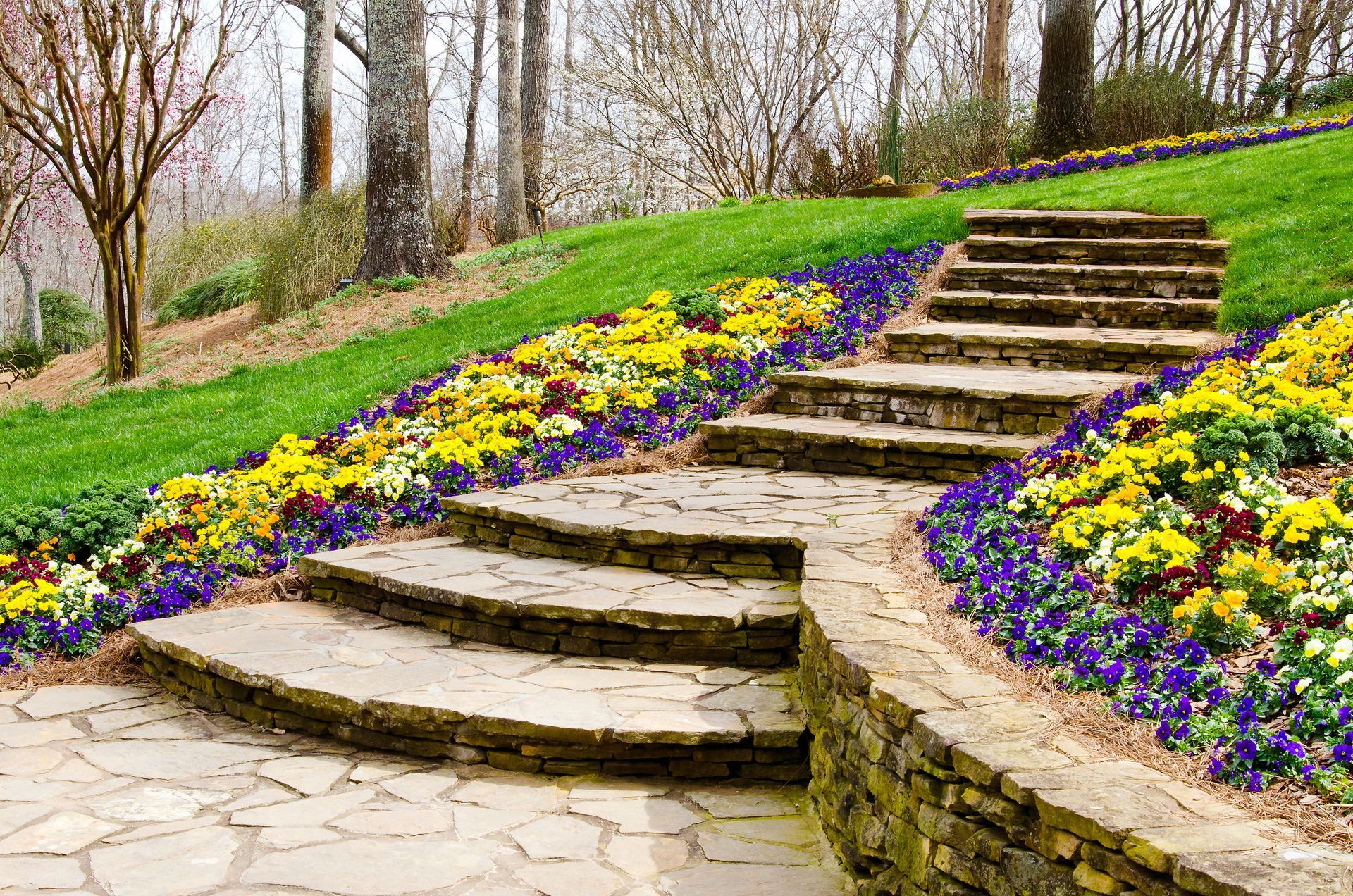
Shrubs offer unique beauty throughout the year, thanks to their varying colors, flowers, and textures. Each season brings a change, ensuring landscapes remain dynamic and visually engaging. Whether it's the vibrant blooms in spring or the warm hues in autumn, shrubs provide a landscape with enduring appeal. This constant transformation enhances a property's visual interest, drawing appreciation from onlookers. Hence, investing in shrubs is a celebration of nature's seasonal magnificence.
2.3. Design Flexibility
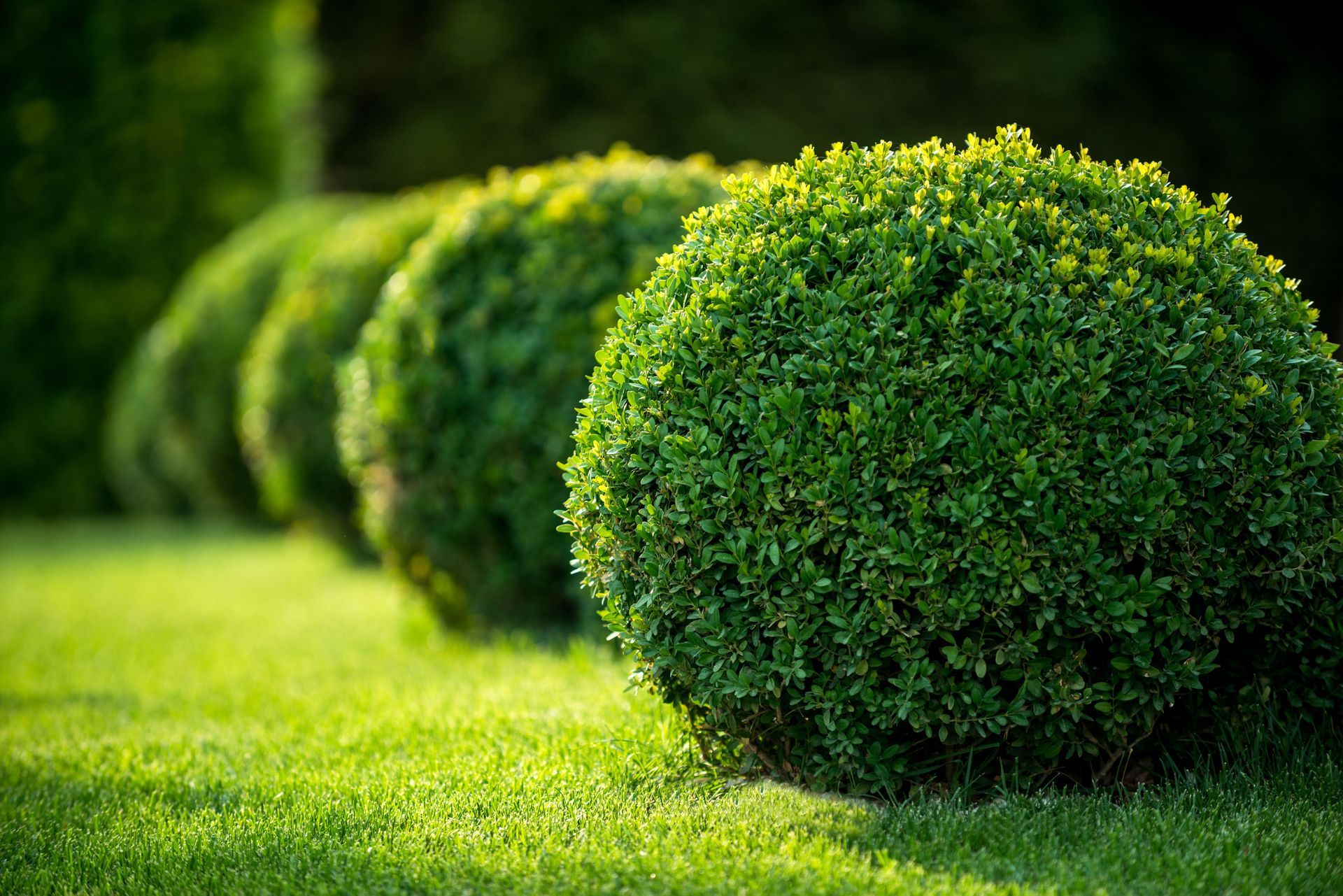
Shrubs come in various species, sizes, and forms, offering limitless design possibilities. Consequently, they can be adapted to suit diverse landscaping needs, from formal gardens to naturalistic settings. This flexibility makes them ideal for personalizing and customizing landscapes according to specific tastes and preferences. As a result, property owners can achieve their desired aesthetic vision with ease. Hence, shrubs are invaluable tools for expressing creativity in landscape design.
3. Health and Well-Being
3.1. Air Quality Improvement
Shrubs play a crucial role in enhancing air quality by filtering pollutants and releasing oxygen. They act as natural air purifiers, capturing airborne particulates and absorbing toxic compounds. This purification process contributes to healthier living environments and better respiratory health for inhabitants. Moreover, shrubs improve air circulation, offering cleaner and fresher air to breathe. Therefore, investing in shrub health aligns with public health objectives and air quality enhancement.
3.2. Mental Health Benefits
The presence of green spaces, including well-maintained shrubs, has been linked to improved mental well-being. Exposure to nature reduces stress levels, enhances mood, and promotes relaxation and mindfulness. Studies suggest that greenery engagement lowers anxiety and promotes emotional resilience, contributing to holistic health. By cultivating lush landscapes, individuals create calming and restorative environments that support mental health. Hence, shrub health care becomes an essential element in fostering overall well-being.
4. Efficient and Sustainable Shrub Maintenance
4.1. Precision Landscaping Tools
Recent advancements in landscaping technology provide tools for precise care and maintenance of shrubs. These tools enable tailored pruning and shaping, ensuring optimal health and aesthetics for shrubs. This precision results in healthier, more attractive landscapes, meeting and exceeding property owners' expectations. By incorporating these technologies, landscapers can deliver results that maximize shrub health and visual appeal. Thus, shrub health care services benefit significantly from technological innovations.
4.2. Smart Irrigation Systems
Innovative smart irrigation systems have emerged, conserving water and promoting shrub health effectively. These systems utilize sensors and weather data to optimize watering schedules, reducing waste and enhancing efficiency. By ensuring shrubs receive adequate water without over-irrigation, these systems contribute significantly to resource conservation. Consequently, deploying smart irrigation transforms traditional landscaping practices into sustainable solutions for the modern age. This technological integration supports environmental goals while optimizing shrub vitality.
4.3. Sustainable Pest Management
Innovations in pest management now focus on environmentally friendly, sustainable solutions for shrubs. These methods minimize chemical use while effectively controlling pests, promoting ecosystem health and biodiversity. Biological controls, pheromone traps, and targeted treatments exemplify these sustainable approaches to pest management. Healthy shrubs, managed with these practices, contribute to a balanced landscape that aligns with ecological priorities. Consequently, integrating sustainable pest management enhances the overall impact of shrub health care services.
5. Practical Landscape Function
5.1. Natural Privacy and Boundary Definition
Shrubs do more than improve the appearance of a property; they also help shape how outdoor spaces are used. Healthy, well-placed shrubs can create natural privacy screens around patios, walkways, seating areas, and property edges. They also help define boundaries without relying solely on fencing or hardscape features. With professional shrub health care services, these plants can remain dense, balanced, and properly shaped over time. This makes shrubs a practical investment for property owners who want both beauty and function in their landscape.
5.2. Soil Stability and Drainage Support
Shrubs can also support healthier soil conditions when they are properly maintained. Their root systems help hold soil in place, which may reduce erosion on slopes, along garden beds, or near exposed areas of the yard. Healthy shrubs can also help manage water movement by slowing runoff and encouraging better absorption into the landscape. When shrubs decline, those benefits may weaken, leaving parts of the property more vulnerable to washout or drainage concerns. Routine shrub care helps preserve these structural benefits while keeping the landscape more resilient.
5.3. Habitat for Local Wildlife
Healthy shrubs can provide shelter, nesting areas, and food sources for birds, pollinators, and other local wildlife. This adds ecological value to a property while making the landscape feel more active and connected to the surrounding environment. Proper care helps shrubs produce stronger foliage, flowers, berries, and seasonal growth that support these natural interactions. Professional shrub health care services can also help identify stress, disease, or pest issues before they reduce a plant's ability to support wildlife. In this way, shrub care contributes to a healthier and more balanced outdoor space.
Embracing shrub health care services facilitates a harmonious balance between nature and urban living, yielding multifaceted benefits. By recognizing the interconnected benefits of healthy shrubs, we move towards landscapes that are not only beautiful but also sustainable and beneficial for all. If you need high-quality shrub care services, please reach out to Kyle's Landscape Service!